
Clay County Probate Records Office
North Carolina probate work is local to the Clerk of Superior Court. In Clay County, estate matters run through the Clerk of Superior Court at the Clay County Government Center, 261 Courthouse Drive, Suite 1, Hayesville, NC 28904. The phone number is 828-389-2300. The Judicial Branch identifies the clerk as the record custodian for civil, special proceeding, and estate files, and North Carolina clerks also perform judicial duties in estates and special proceedings.
The word probate can be too narrow for Clay County because the same office may handle related estate and special proceeding records. Routine estate administration, wills, letters testamentary, inventories, accountings, creditor notices, claims, distributions, guardianship matters, incompetency proceedings, foreclosures, partitions, and other special proceedings may appear in the clerk and court record system. A real-property issue can also create a related Register of Deeds record, but the estate case itself remains with the clerk.
Clay County Estates Division
Office: Clerk of Superior Court
261 Courthouse Drive, Suite 1
Hayesville, NC 28904
828-389-2300
Monday-Friday, 8:00 a.m.-5:00 p.m.
Clay County Probate Terms
Estate files use terms that are specific but not always complex. A Clay County probate records search is easier when the searcher can identify the role, document, or case type. The terms below are common in estate and special proceeding files, with North Carolina terminology adapted to the Clay County clerk process.
- Testator
- A person who made a will before death.
- Executor
- The person named in a will to carry out estate duties after appointment.
- Administrator
- A person appointed to handle an estate when there is no executor able to serve.
- Intestate
- Dying without a valid will, which can change who has priority to inherit or serve.
- Guardianship
- A court-supervised matter for a minor or person who needs a legally authorized decision maker.
- Special proceeding
- A clerk or court matter such as estate, partition, foreclosure, incompetency, or related proceedings.
Search Clay County Probate Records
Clay County probate case information can begin with the North Carolina eCourts Portal or a public self-service terminal in the clerk's office. The Judicial Branch says civil, special proceeding, and estate case information is available at public self-service terminals in clerk offices. The file itself is viewed by visiting the clerk in the county where the case is located. For Clay County estate files, that means the Hayesville clerk's office.
- Search by decedent name, party name, or case number in the court portal or at the clerk public terminal.
- Select Clay County when the system offers a county or location filter.
- Use an estates or special proceedings case type filter if the search interface provides one.
- Call or visit the Clerk of Superior Court when online case data does not show the file or needed document.
- Ask the clerk about copy, certification, and viewing rules before mailing a request or payment.
| Field Label | Type | Required | Options or Notes |
|---|---|---|---|
| Party or decedent name | Text | Optional | Use for Portal or clerk terminal searching. |
| Case number | Text | Optional | Best when an estate or special proceeding number is known. |
| County | Dropdown | Optional | Select Clay County when available. |
| Case type | Dropdown or filter | Optional | Use estates or special proceedings where available. |
| Date range | Date | Optional | Filing date or event date filters may appear. |
| Search | Button | Yes | Portal and terminal labels can vary. |
Clay County Estate Case Flow
A Clay County estate usually starts by deciding whether the decedent was domiciled in Clay County or owned property that requires a Clay County proceeding. The applicant should contact or visit the Clerk of Superior Court estates counter, bring the original will if one exists, and be ready with a death certificate, asset and debt information, names and addresses of heirs, and applicant identification. The clerk can issue letters or orders when the required filings and costs are complete.
Estate flow: Death and venue review › original will and documents gathered › estate opened with the clerk › letters or orders issued › notices and claims handled › inventory and accounting filed › distribution and closing.
Not all probate files are simple estate administrations. Guardianship, incompetency, partition, foreclosure, and other special proceedings may have different notice, hearing, and confidentiality rules. Clay County residents should use the clerk's office for case-specific filing and copy questions, while legal advice must come from an attorney.
Note: The research did not locate a Clay-specific online probate filing wizard, so clerk contact remains the key fallback channel.
Clay County Probate Fee Rules
The research identified statewide court-cost publications for estates and special proceedings, but it did not extract specific dollar amounts for each Clay County probate item. That means the fee table should not invent amounts. Use the current North Carolina court-cost PDFs or call the Clerk of Superior Court before sending a check for estate opening, special proceedings, copies, certifications, or court audio.
| Item | Fee or Note |
|---|---|
| Estate opening or administration | See the current Estates Court Costs PDF or confirm with Clay Clerk of Superior Court. |
| Special proceedings | See the current Special Proceedings Court Costs PDF. |
| Copies and certifications | Confirm current statewide cost and payment method with the clerk. |
| Recorded real-estate documents | Register of Deeds fees may apply separately when estate activity affects land records. |
Clay County Probate Record Contents
Clay County probate records can show the estate name, decedent name, file number, county, clerk, filing date, status, applicant or personal representative, date of death, heirs or devisees, bond entries, letters, inventory filings, accounting filings, creditor notices, claims, orders, and final distribution entries. Online document visibility varies, so a public case listing may not include every document in the physical file.
The Clay Register of Deeds assumed business name page is not a probate court page, but it shows how the nearby county recording office handles filings that can intersect with estate and business ownership records.
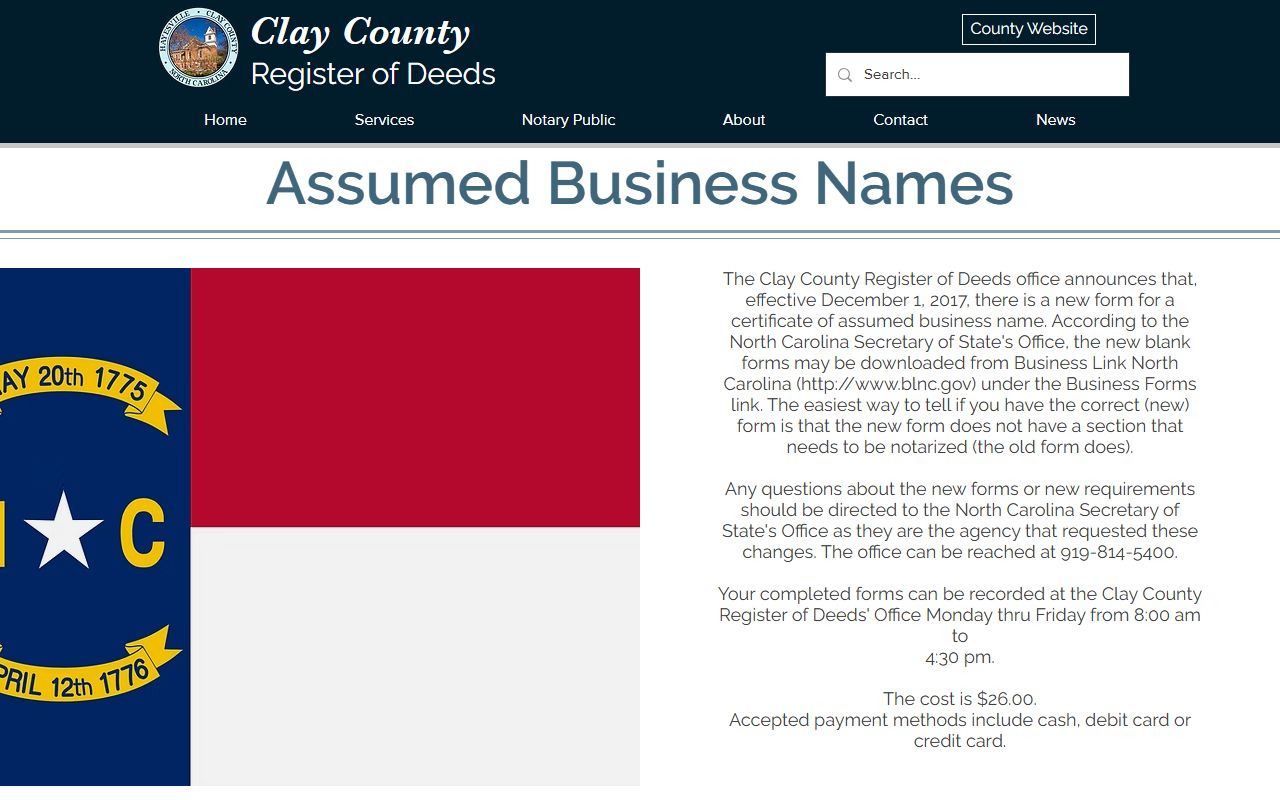
When estate administration involves a business interest, the court file and the Register of Deeds records may both need review.
The Clay Register of Deeds fraud alert notice is another real-property context that may matter when estate assets include land.
Property alerts do not replace probate filings, but they help explain why estate users may also check land records after a death.
Restricted Clay County Probate Records
Most routine estate records are public, but Clay County probate records can include material that is not open in the same way as a basic estate docket. Guardianship, incompetency, minor settlement, adoption, medical, financial account, and sealed materials may be restricted. A will kept before death may not be open as an estate file until probate procedures occur. Public terminal access can show case information while still withholding confidential documents.
The NCARD Clay County Register of Deeds listing identifies the local Register of Deeds contact for land and vital records, which is separate from the Clerk of Superior Court estates function.
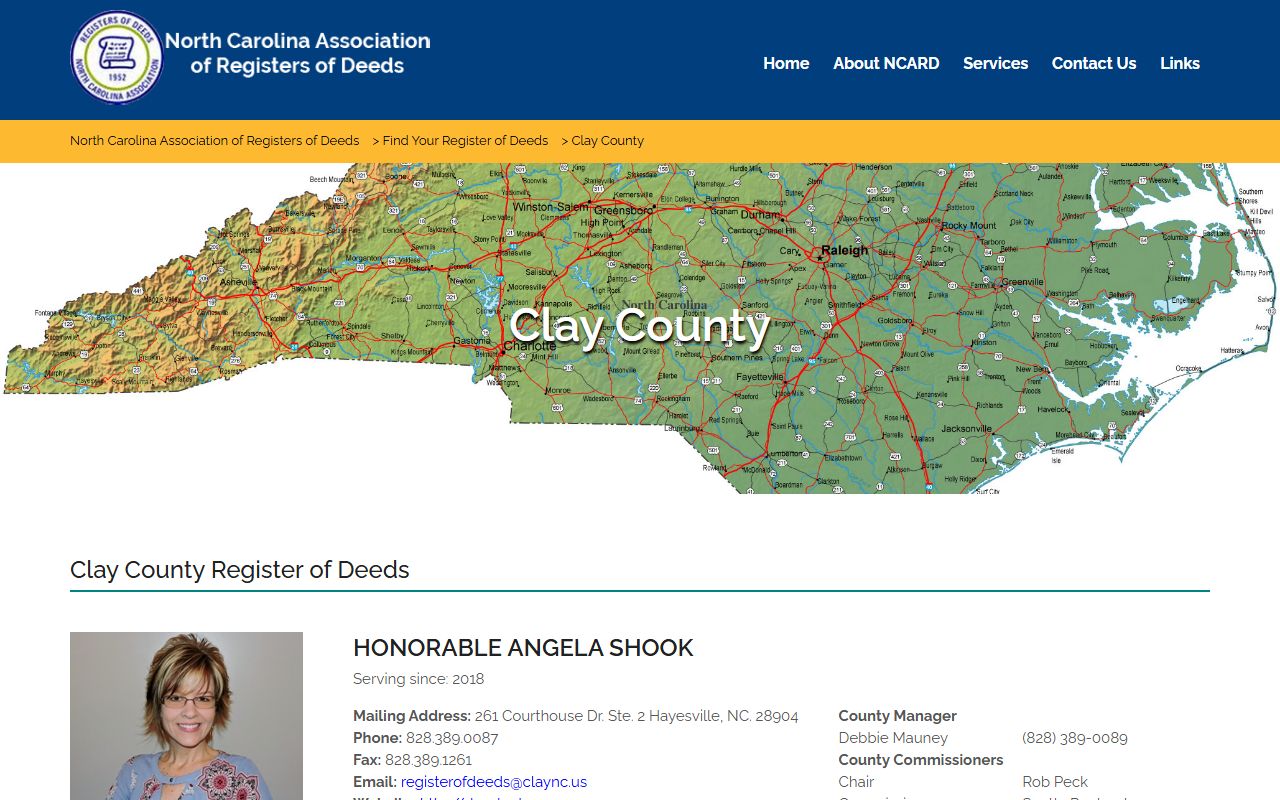
Use the clerk for the probate file and the Register of Deeds for recorded land instruments, marriage records, and other records that office maintains.